










Product Center
Explore chemical raw materials for agriculture, manufacturing, personal care, food, and other industries.
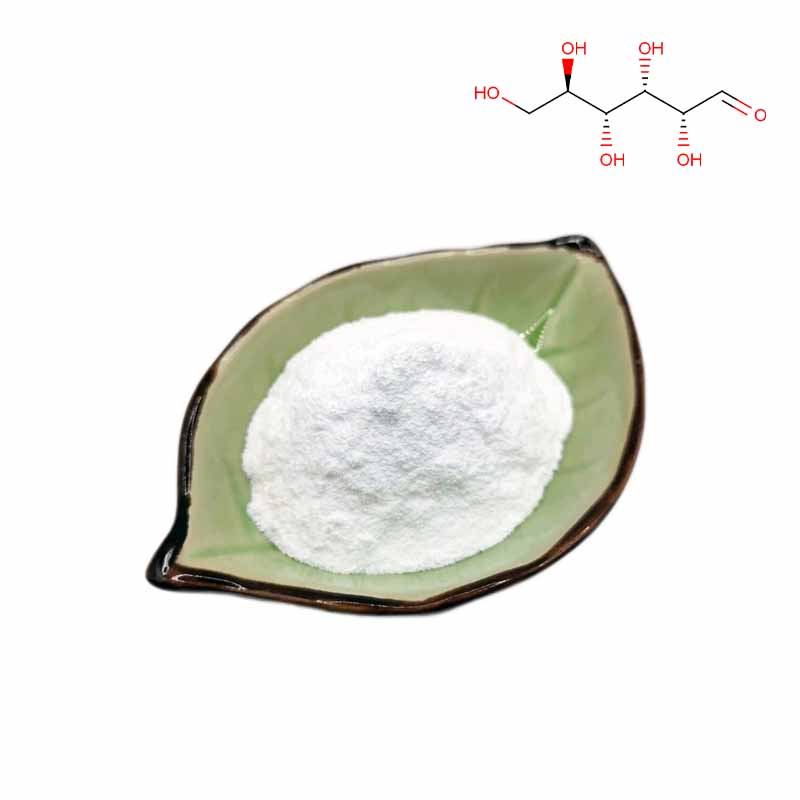
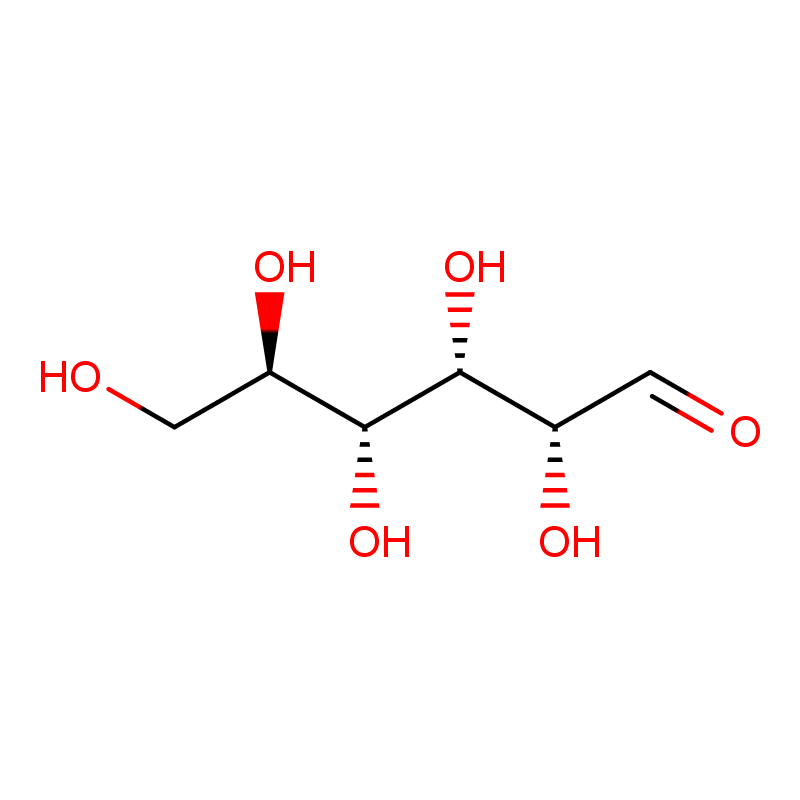
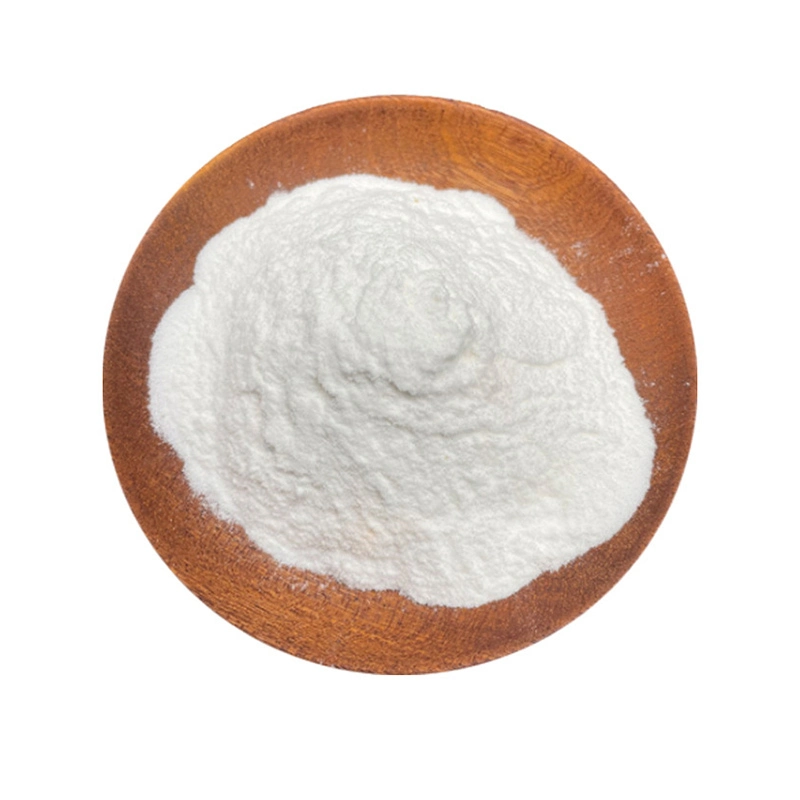
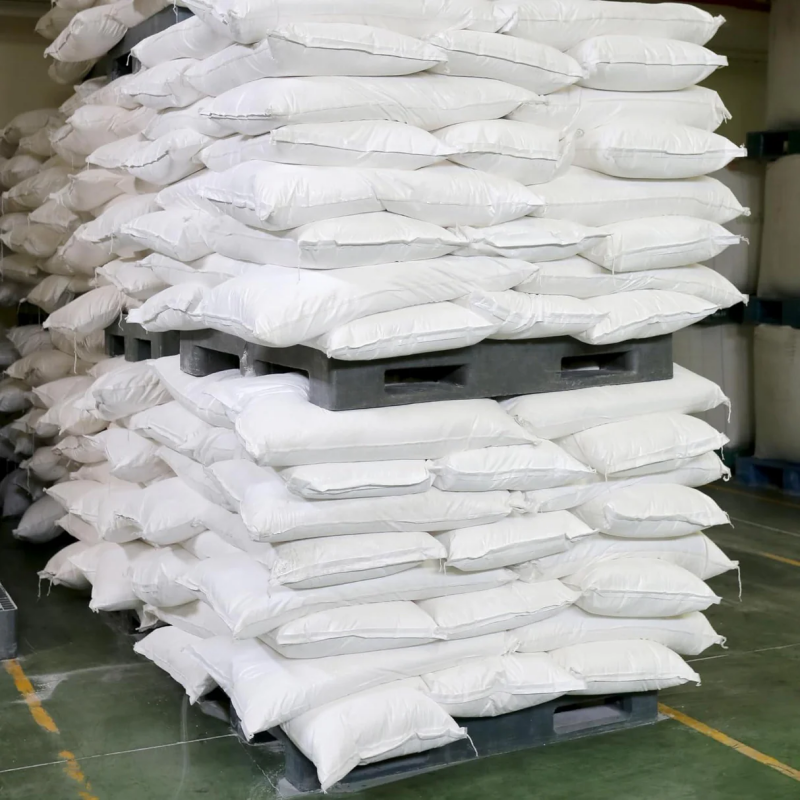
D(+)-Glucose CAS#50-99-7
Biologically Active Form of Glucose: D(+)-glucose is a biologically active stereoisomer of glucose, making it directly utilizable by living organisms.
Versatile Molecular Forms: It exists in both open-chain (acyclic) and ring (cyclic) forms, with α- and β-isomers, providing flexibility in biochemical processes.
Primary Energy Source: D(+)-glucose serves as the main source of energy in the form of ATP for living organisms.
Naturally Occurring and Readily Available: It is found naturally in fruits and plants and is produced in animals through glycogen breakdown, ensuring wide accessibility and sustainability.
Product Specifications
Product Description of D(+)-Glucose CAS#50-99-7
D(+)-glucose is also used therapeutically for fluid and nutrient replacement, available in forms such as glucose syrup and glucose powder. It can be produced through enzymatic hydrolysis of starch, with sources including sugarcane, sugar beet, corn (corn syrup), potatoes, and wheat. Today, large-scale starch hydrolysis is the primary method for commercial glucose production.
Product Application of D(+)-Glucose CAS#50-99-7
D(+)-glucose, also known as dextrorotatory glucose, is a biologically active stereoisomer of the glucose molecule, with the hydroxyl group (OH) on its bottom chiral carbon positioned to the right. The molecule can exist in both an open-chain (acyclic) and a ring (cyclic) form, with two isomers, α and β. It serves as the primary source of energy in the form of ATP for living organisms. Naturally occurring, D(+)-glucose is found in fruits and other plant parts in its free form, and in animals, it is produced through the breakdown of glycogen in a process called glycogenolysis.
Parameters
Product Inspection

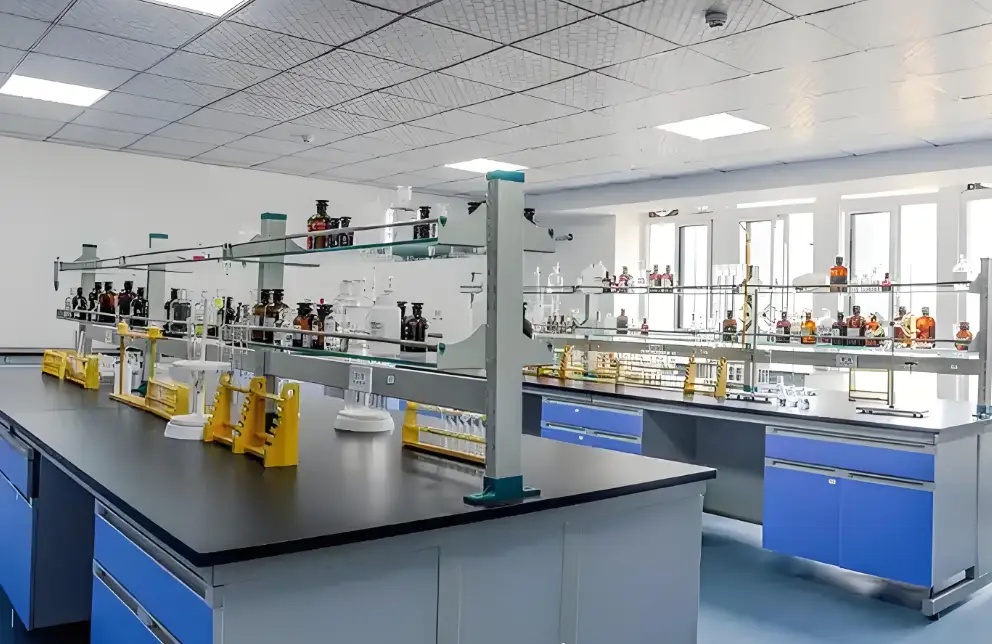




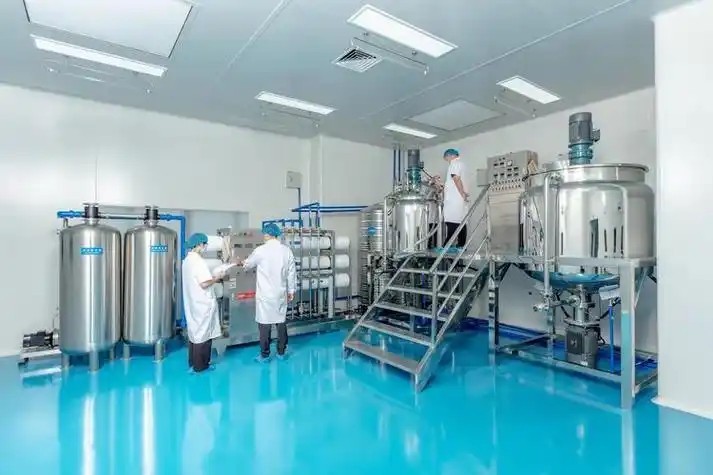
Factory Display

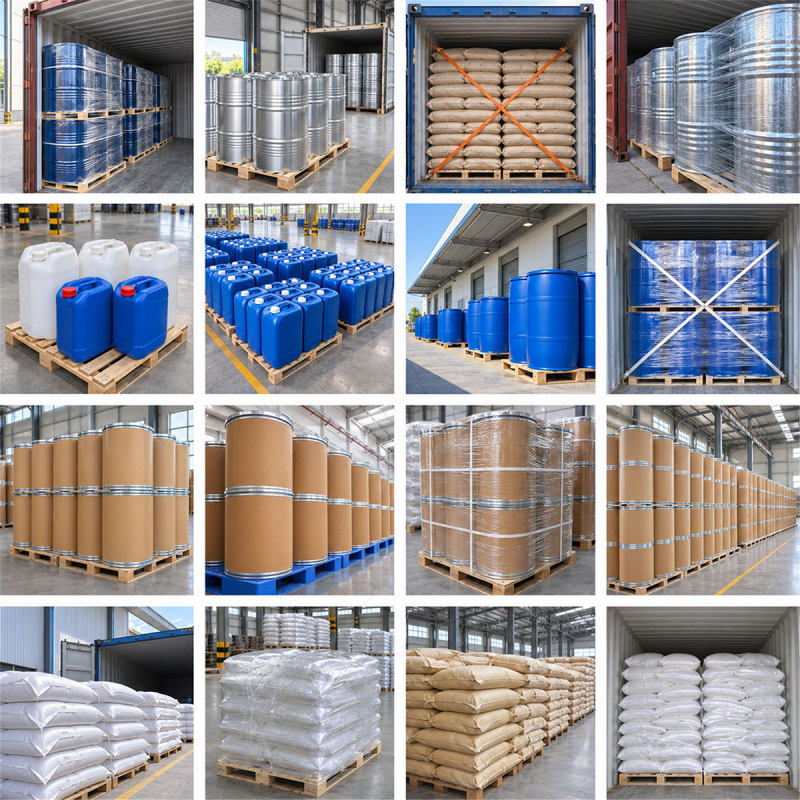
Shipping And Transportation
FAQ
Q1: Can I get samples?
A: Yes. Samples are available for most items. For liquids, hazardous chemicals and certain fertilizers, delivery is subject to courier and shipping regulations. Sample cost and freight can be discussed in advance; relevant sample charges may be deducted from bulk orders as agreed.
Q2: Is mixed container loading allowed?
A: Yes. Within maritime safety and terminal rules, we can combine plastic granules, fertilizers, food additives and cosmetic raw materials in one container to cut your logistics cost. Some hazardous goods cannot be loaded together, and we will inform you in advance.
Q3: Will each shipment come with test certificates?
A: Yes. Every batch is supplied with COA, TDS and SDS. For food-grade, cosmetic-grade and fertilizer products, we can also provide certificate of origin, phytosanitary certificates, compliance declarations and other supporting documents upon request.
Q4: Can you prepare documents for my country’s regulations?
A: We are familiar with mainstream standards including REACH, FDA, FCC, EAC and RoHS. Please advise your destination country and end use before ordering. We will provide proper labels and declarations to facilitate customs clearance. Final import approval is subject to local customs authority.
Service Advantages
Accurate Documentation, Hassle-Free Customs Clearance
Proficient in handling documents such as Certificates of Origin (CO), Form E, Hazardous Packaging Certificates, and MSDS, ensuring smooth customs clearance at the destination port.
Quality First, End-to-End Control
We can arrange sample shipments and third-party inspections (e.g., SGS, BV), while strictly monitoring packaging and production progress.
Closed-Loop After-Sales Support, Long-Term Partnership
We assist in resolving quality issues and handling claims, regularly share market insights, and grow together with our clients.
Rapid Response, Precise Quotations
We respond to inquiries within 24 hours, providing professional quotation options such as FOB, CIF, and CFR.
End-to-End Logistics Tracking, Secure Delivery
From factory to port, and from container loading to vessel departure, we provide real-time monitoring to ensure the safe arrival of your cargo.
Hazardous Cargo Booking: Professional and Efficient
We specialize in the export of Class 3, 5, 8, and 9 hazardous materials, securing cargo space in advance to ensure compliant shipments.




Accurate Documentation, Hassle-Free Customs Clearance
Proficient in handling documents such as Certificates of Origin (CO), Form E, Hazardous Packaging Certificates, and MSDS, ensuring smooth customs clearance at the destination port.
Quality First, End-to-End Control
We can arrange sample shipments and third-party inspections (e.g., SGS, BV), while strictly monitoring packaging and production progress.
Closed-Loop After-Sales Support, Long-Term Partnership
We assist in resolving quality issues and handling claims, regularly share market insights, and grow together with our clients.
Rapid Response, Precise Quotations
We respond to inquiries within 24 hours, providing professional quotation options such as FOB, CIF, and CFR.
End-to-End Logistics Tracking, Secure Delivery
From factory to port, and from container loading to vessel departure, we provide real-time monitoring to ensure the safe arrival of your cargo.
Hazardous Cargo Booking: Professional and Efficient
We specialize in the export of Class 3, 5, 8, and 9 hazardous materials, securing cargo space in advance to ensure compliant shipments.
contact us
Product recommendation
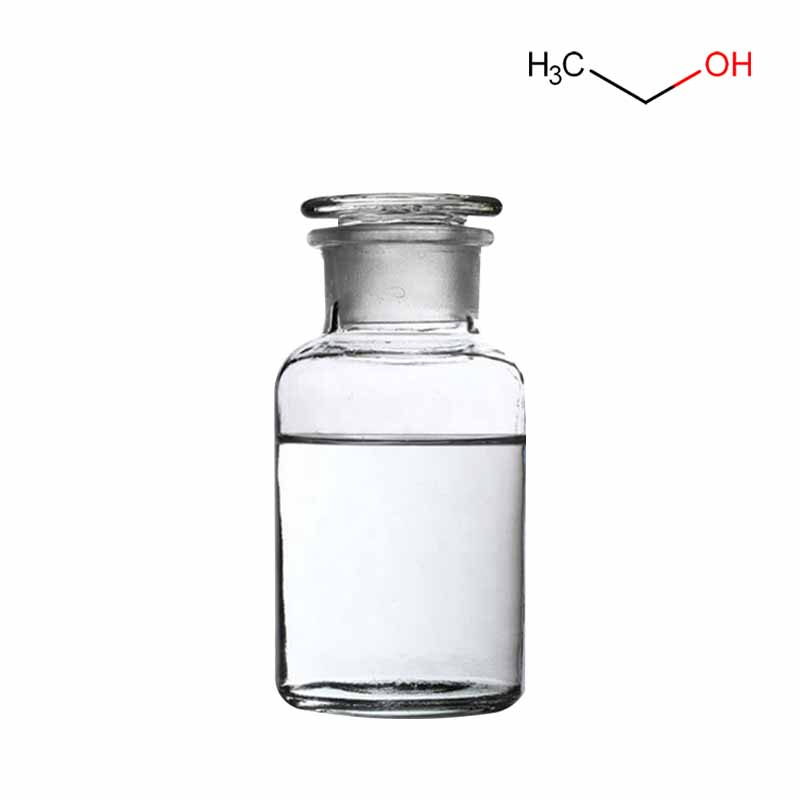
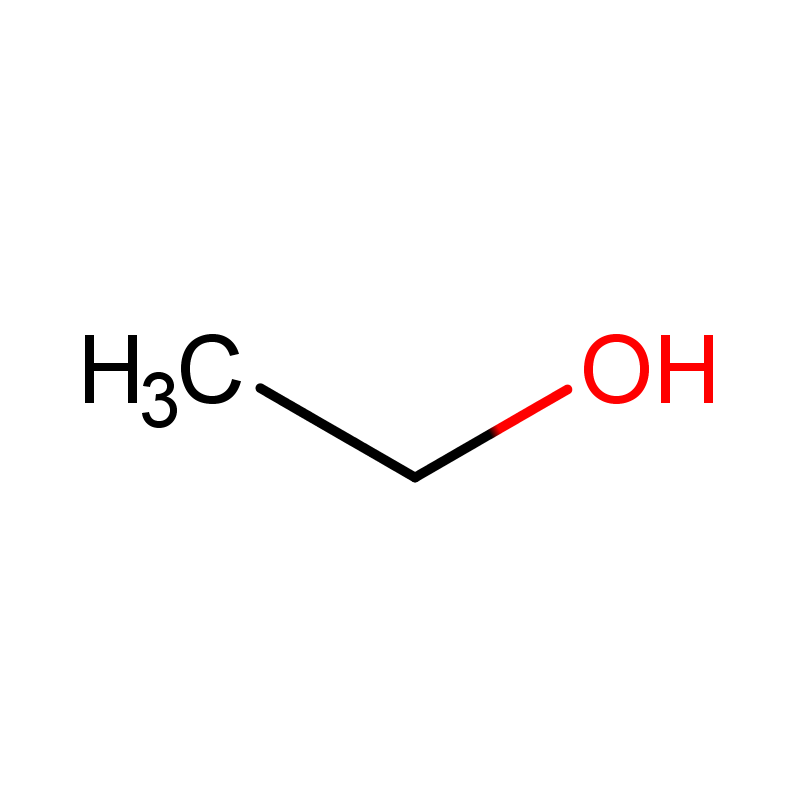
 Ethanol CAS#64-17-5
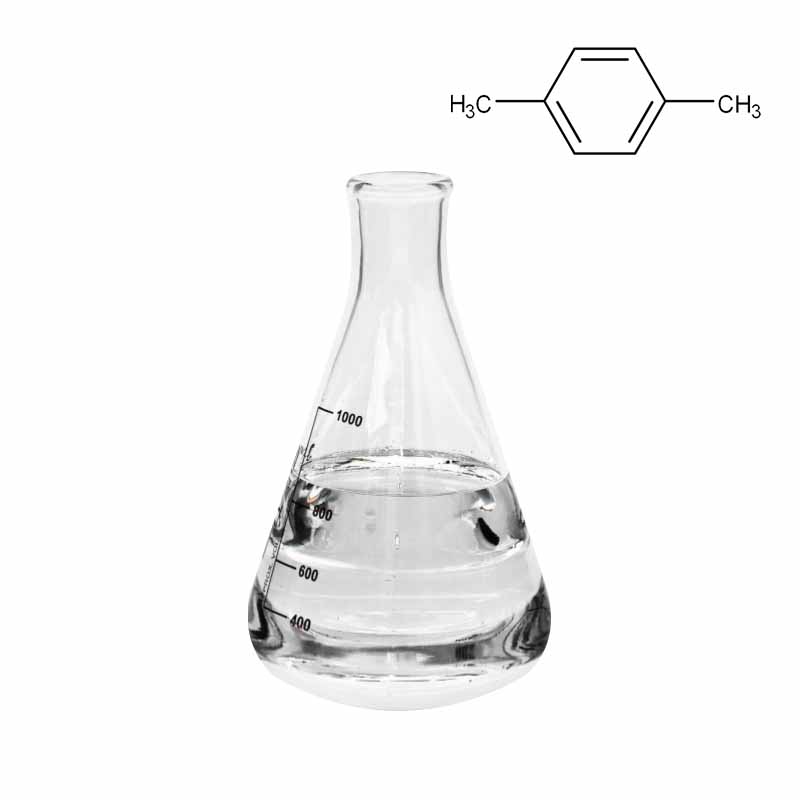
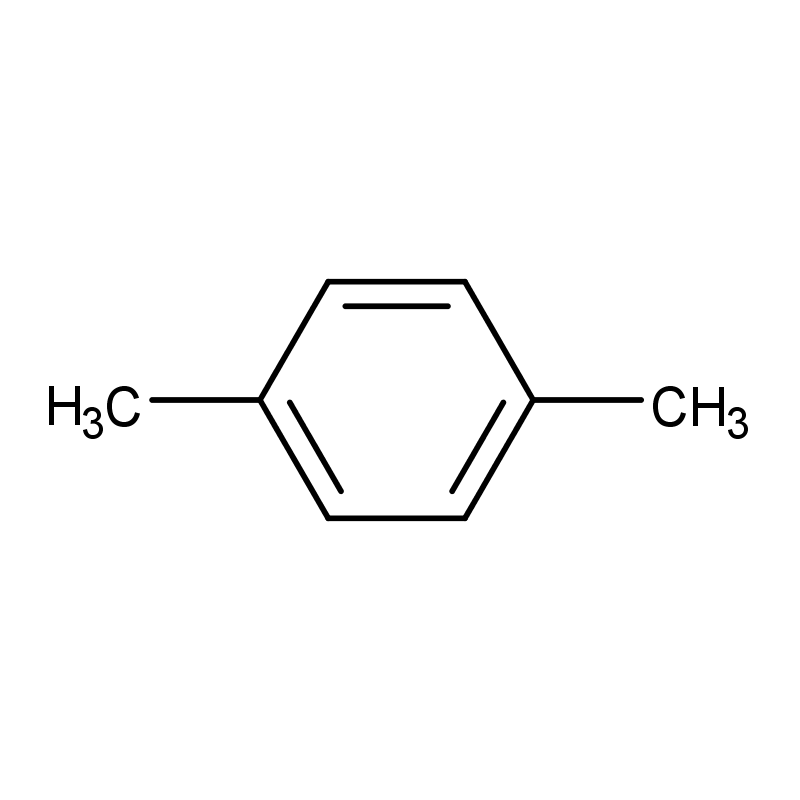
- Xylene CAS#1330-20-7
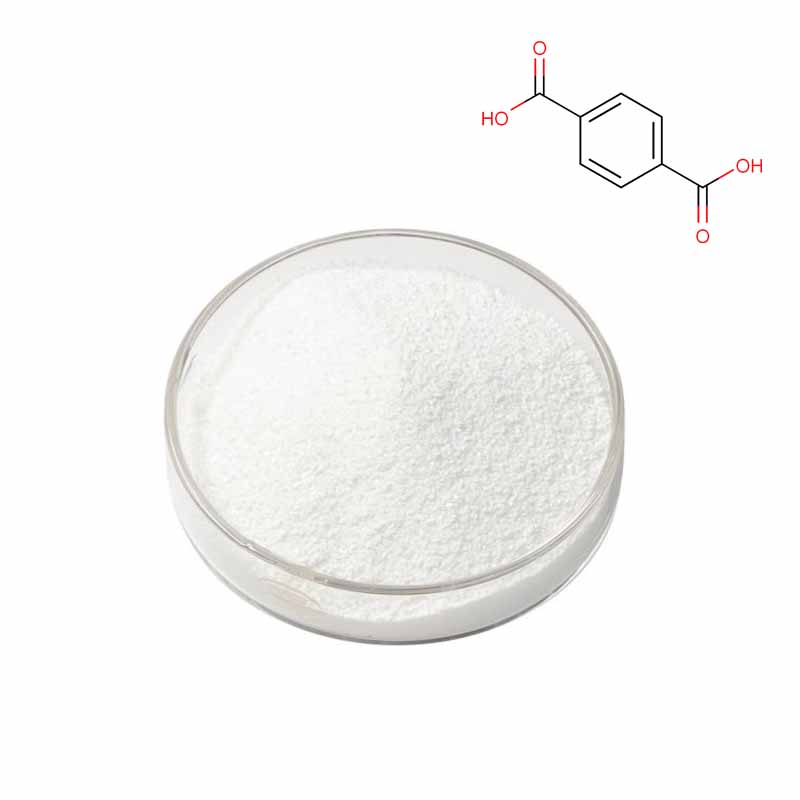
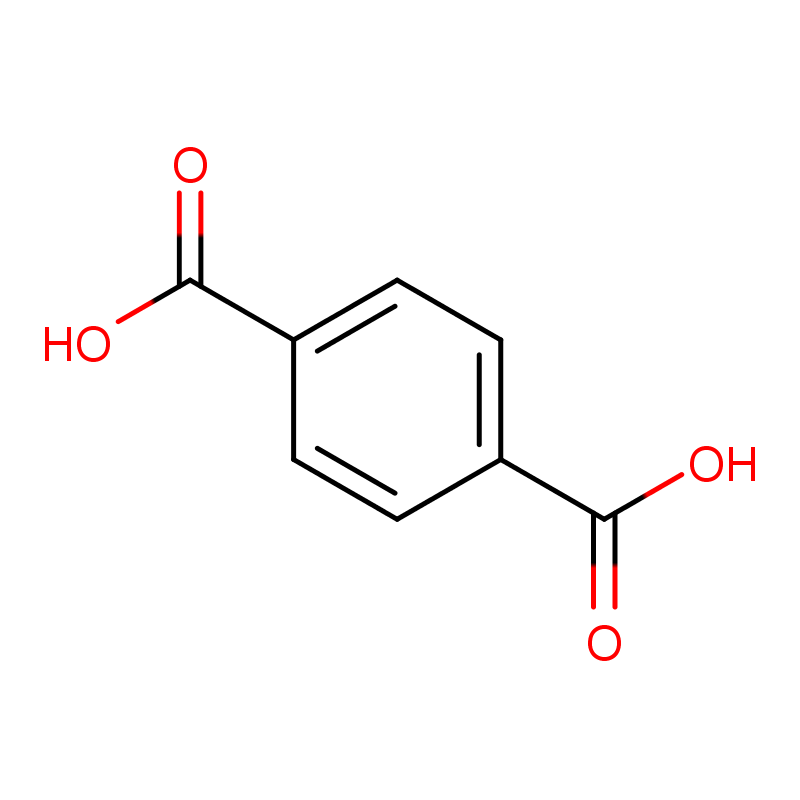
- Terephthalic acid CAS#100-21-0
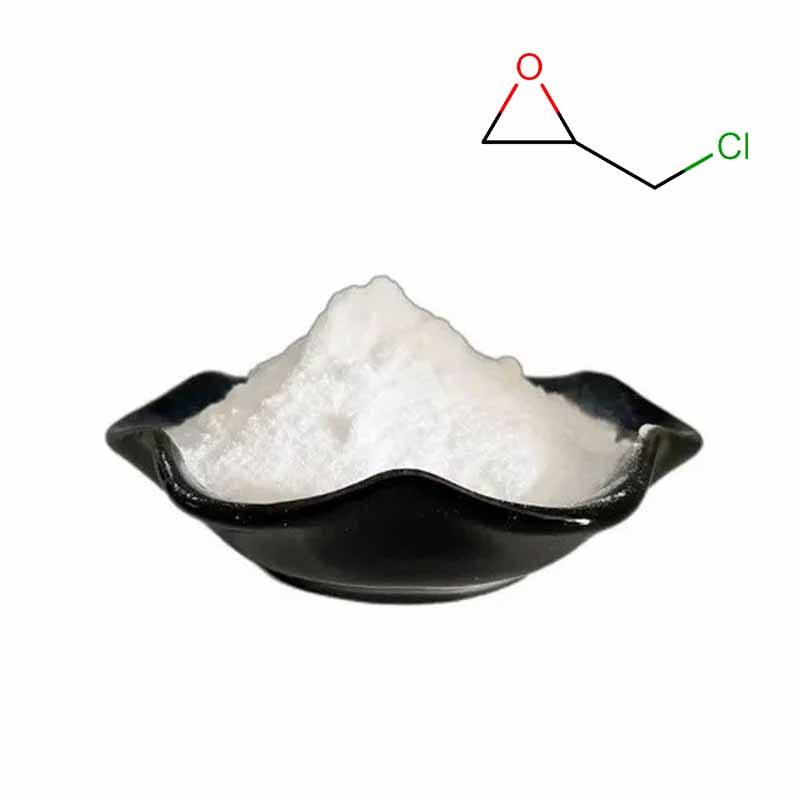
- Resin epoxy CAS#24969-06-0
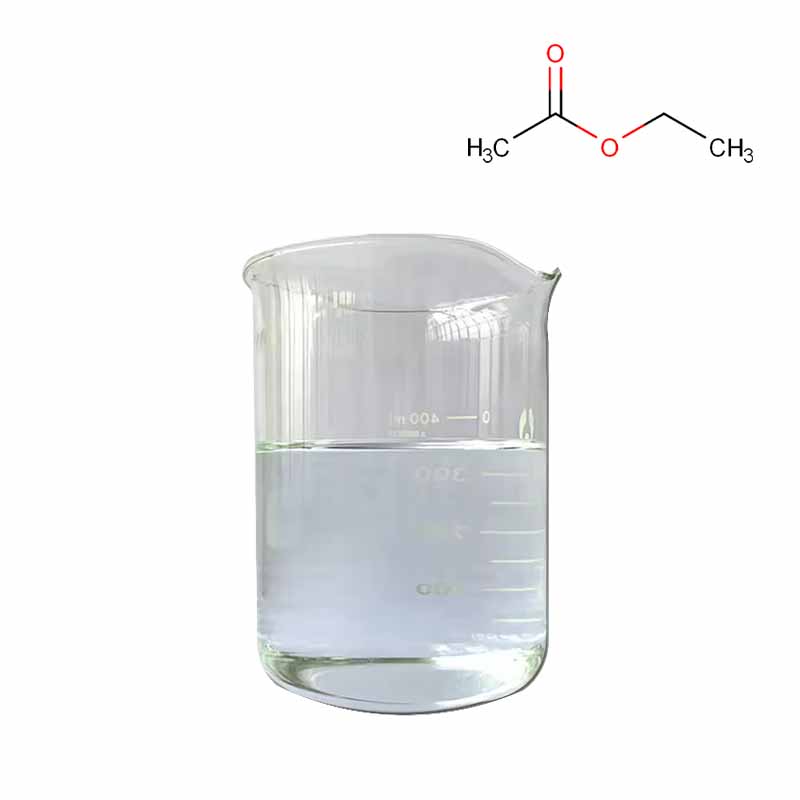
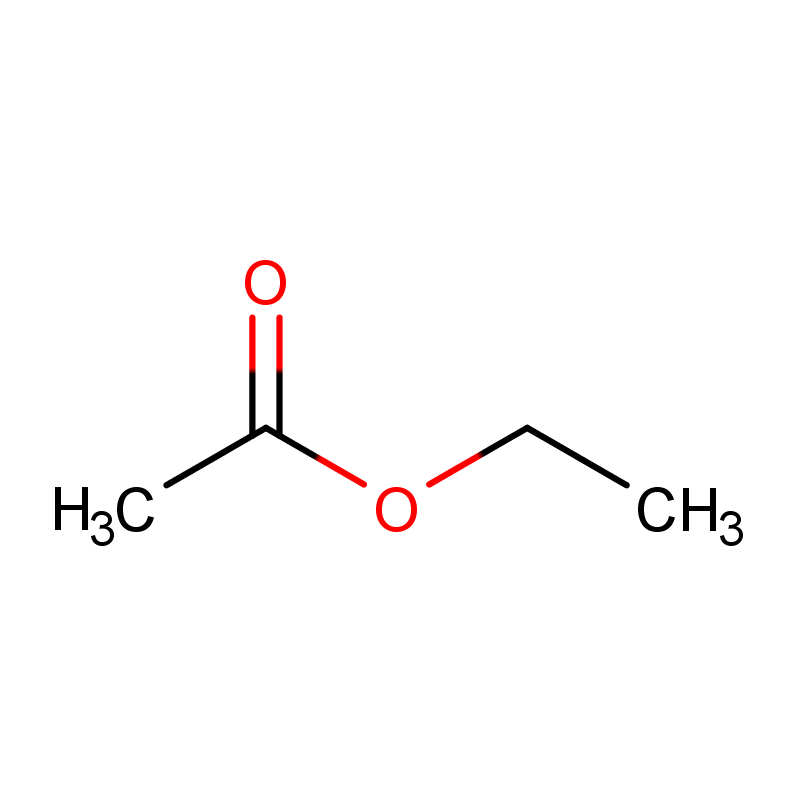
- Ethyl acetate CAS#141-78-6
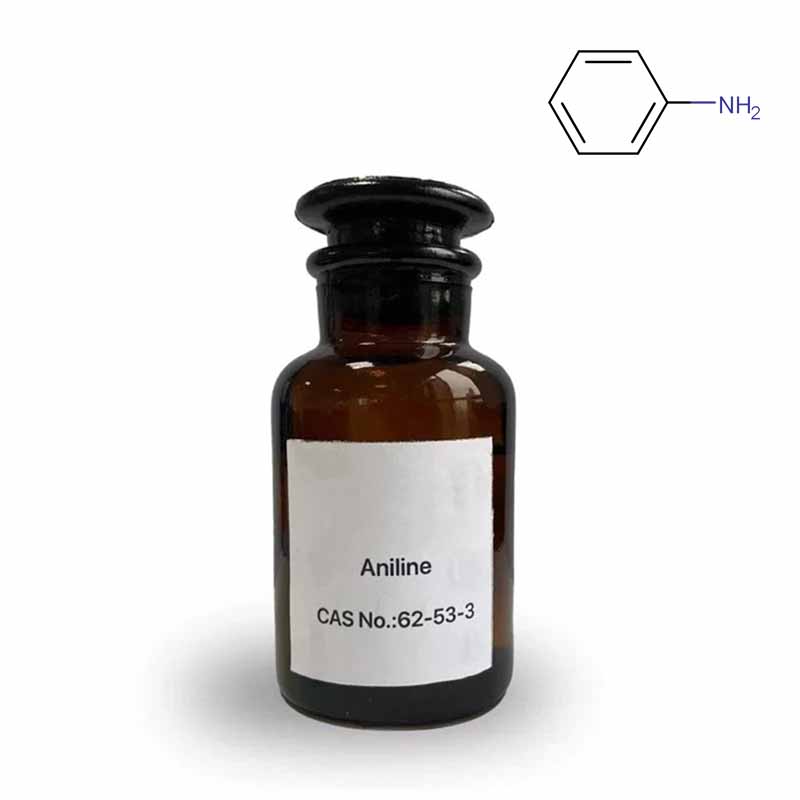
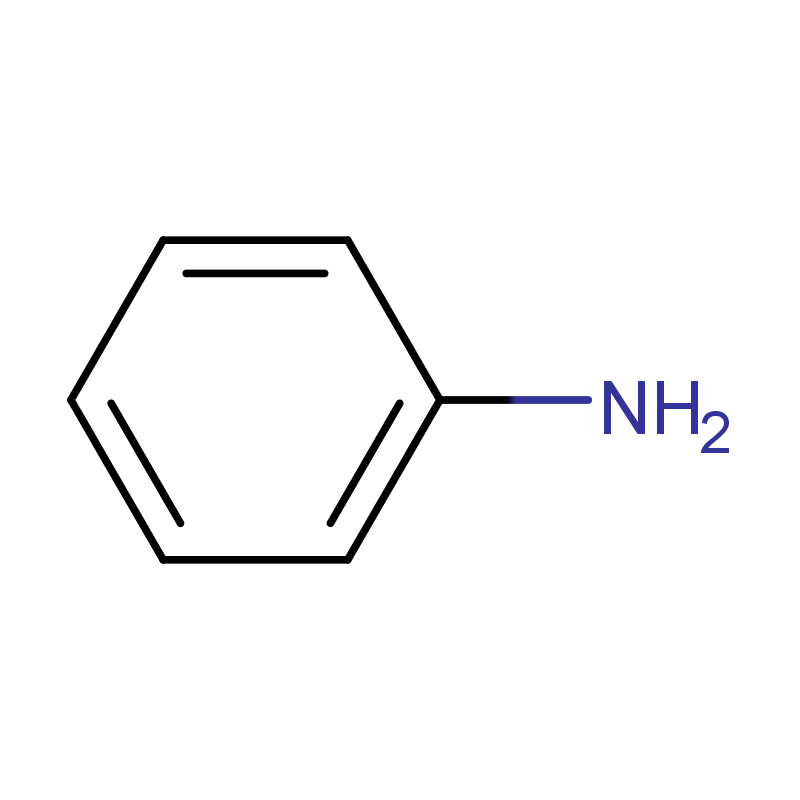
- Aniline CAS#62-53-3
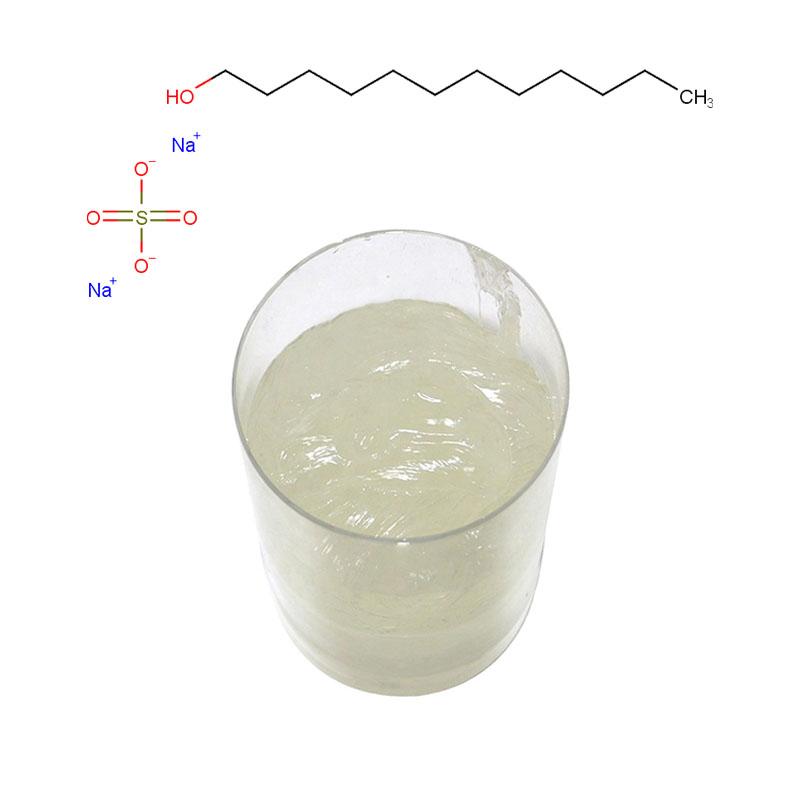
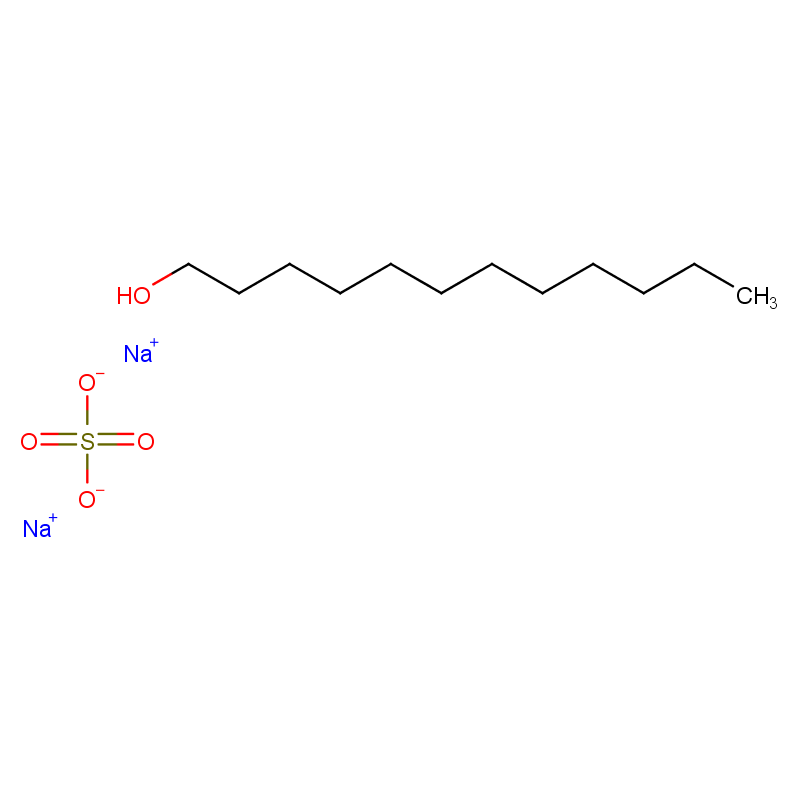
- Sodium Lauryl Ether Sulfate(SLES) CAS#68585-34-2
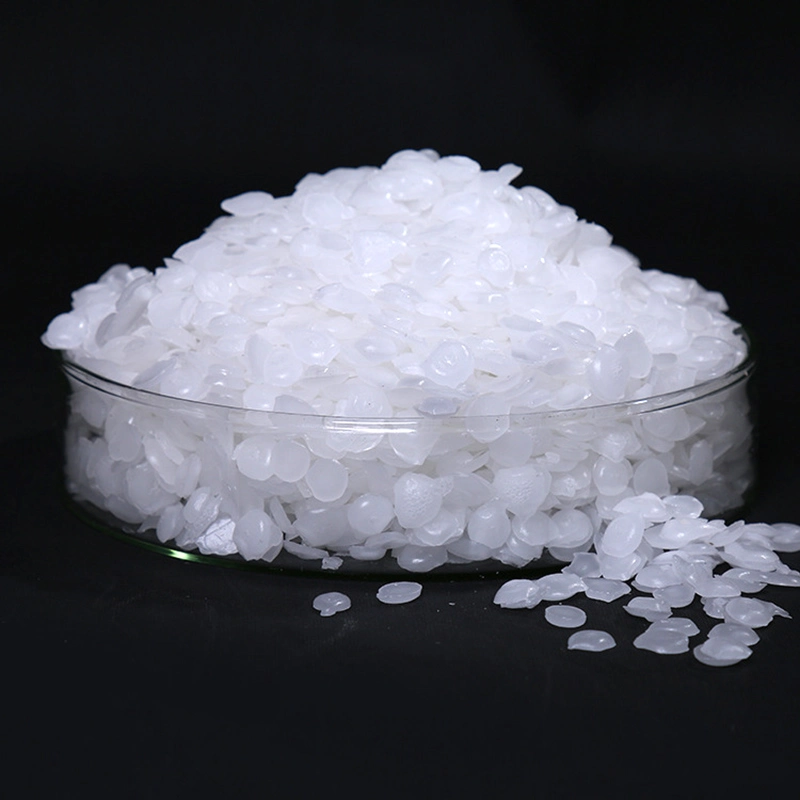
- Paraffin Wax CAS#8002-74-2
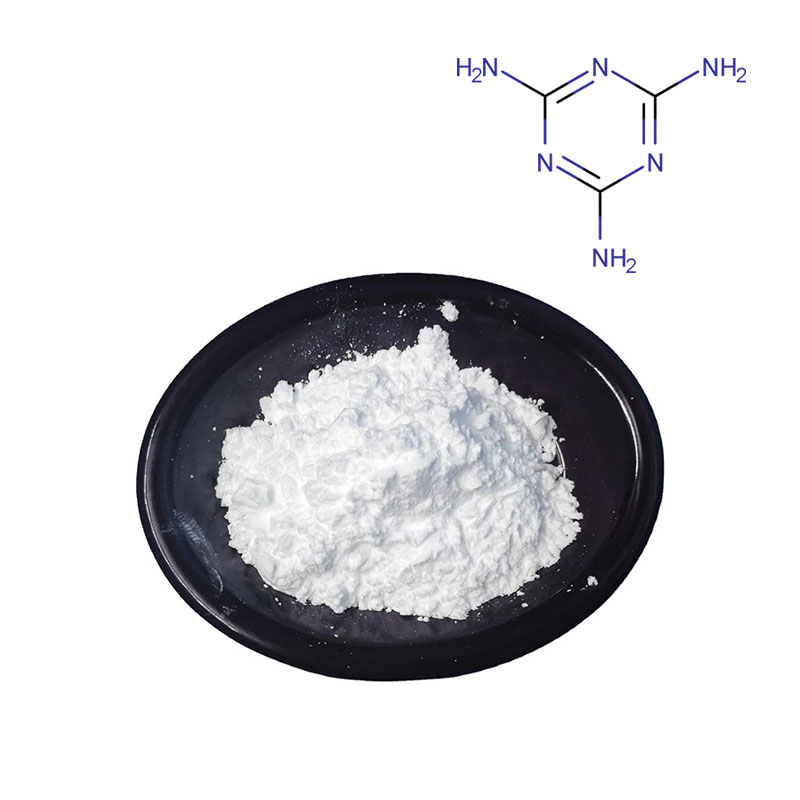
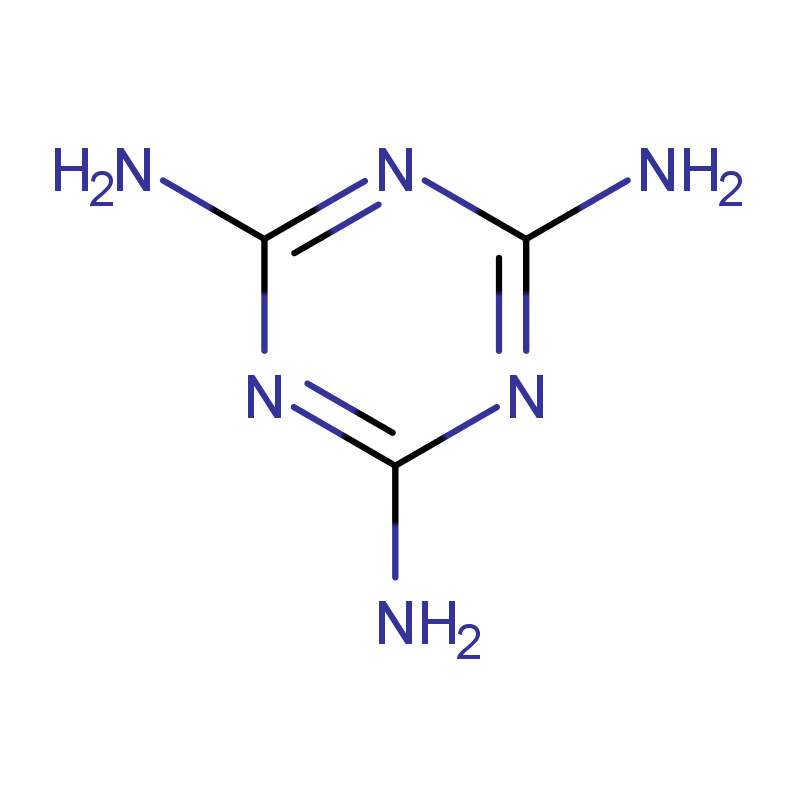
- Melamine CAS#108-78-1
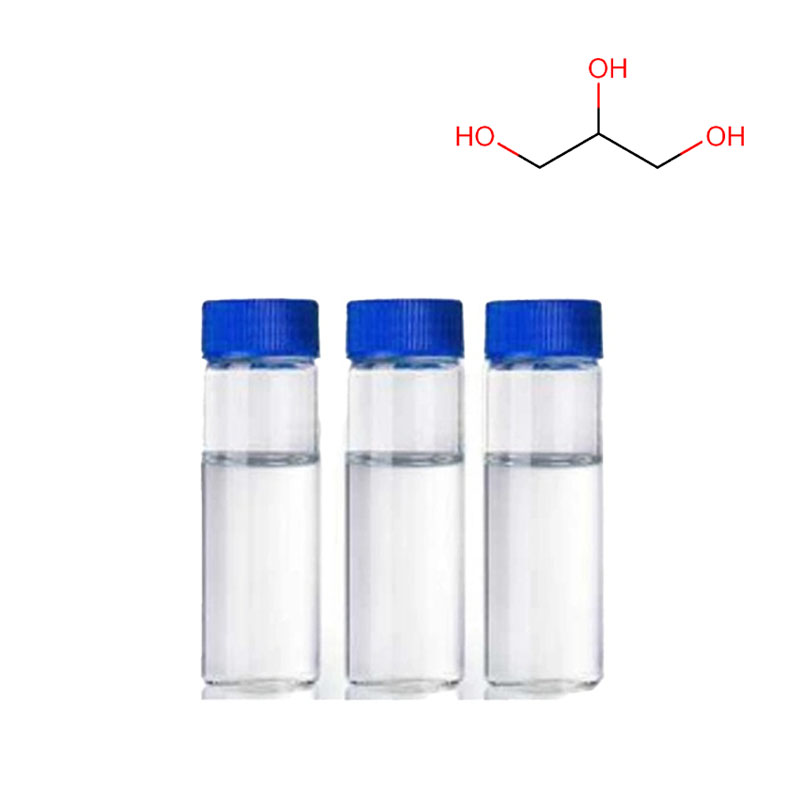
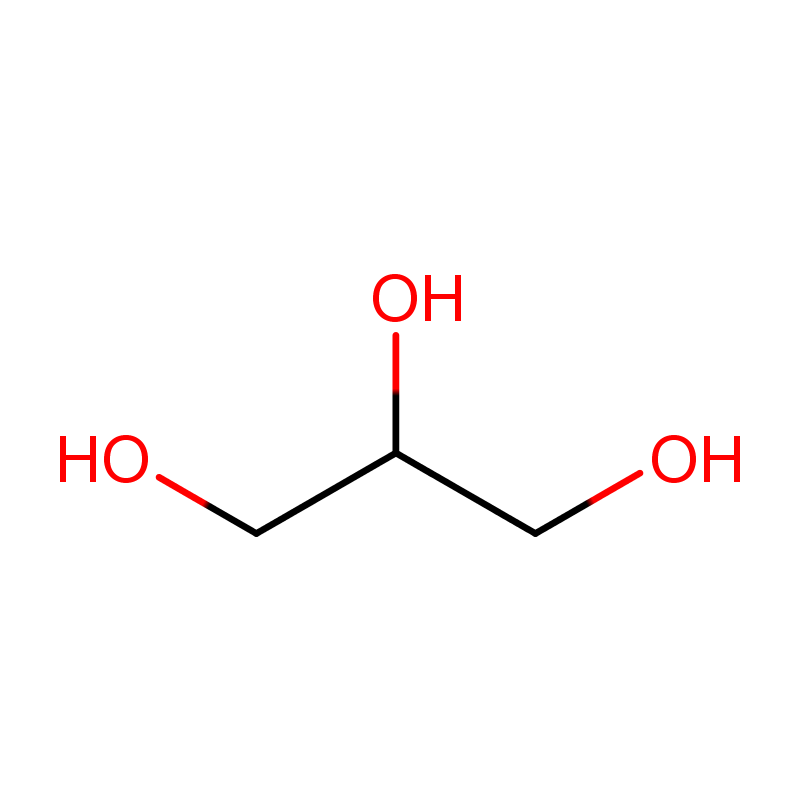
- Glycerol CAS#56-81-5
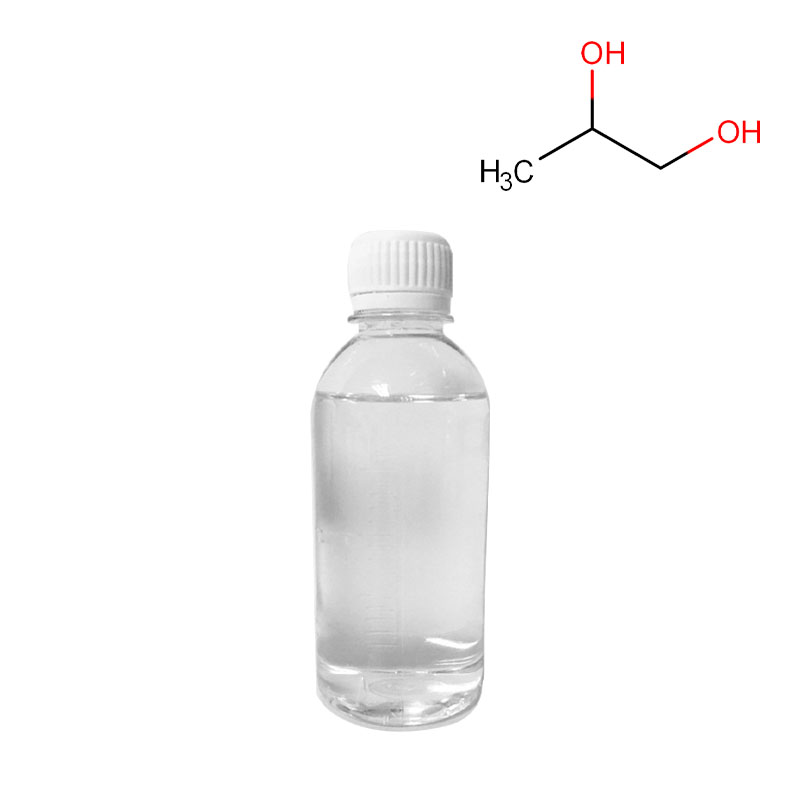
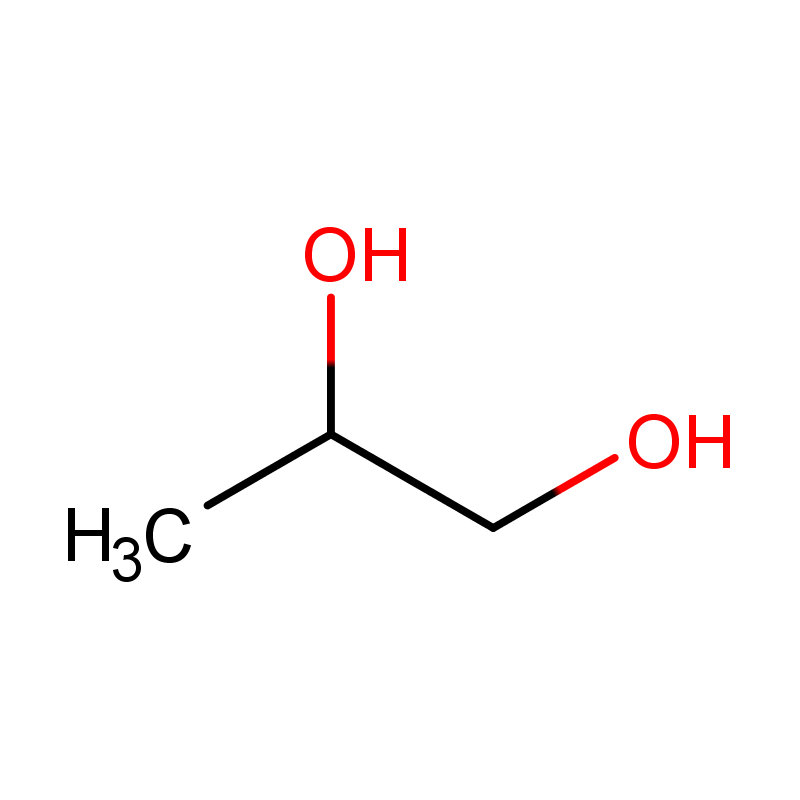
- Propylene glycol CAS#57-55-6
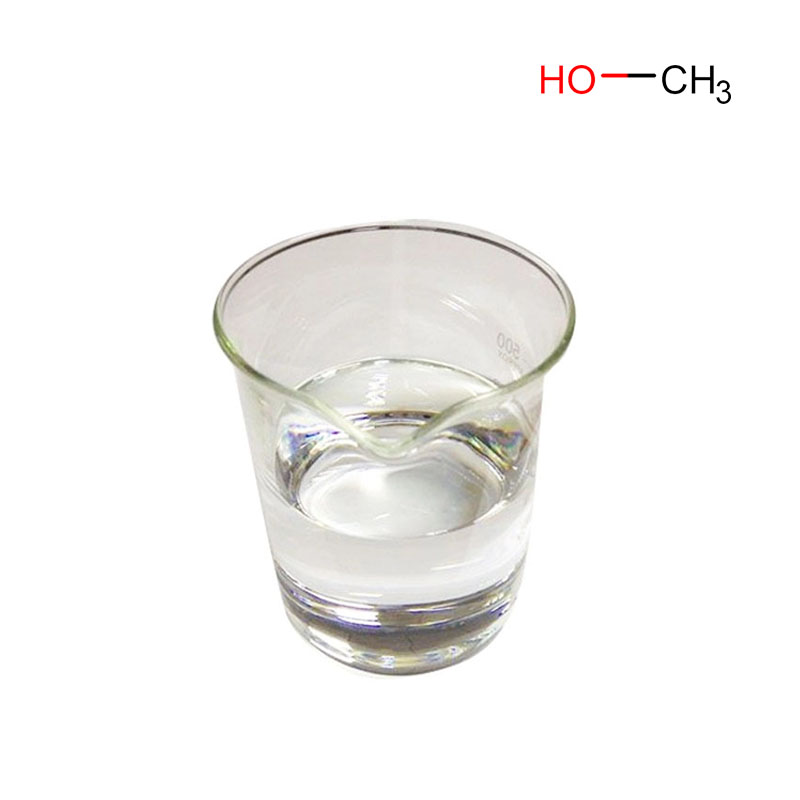
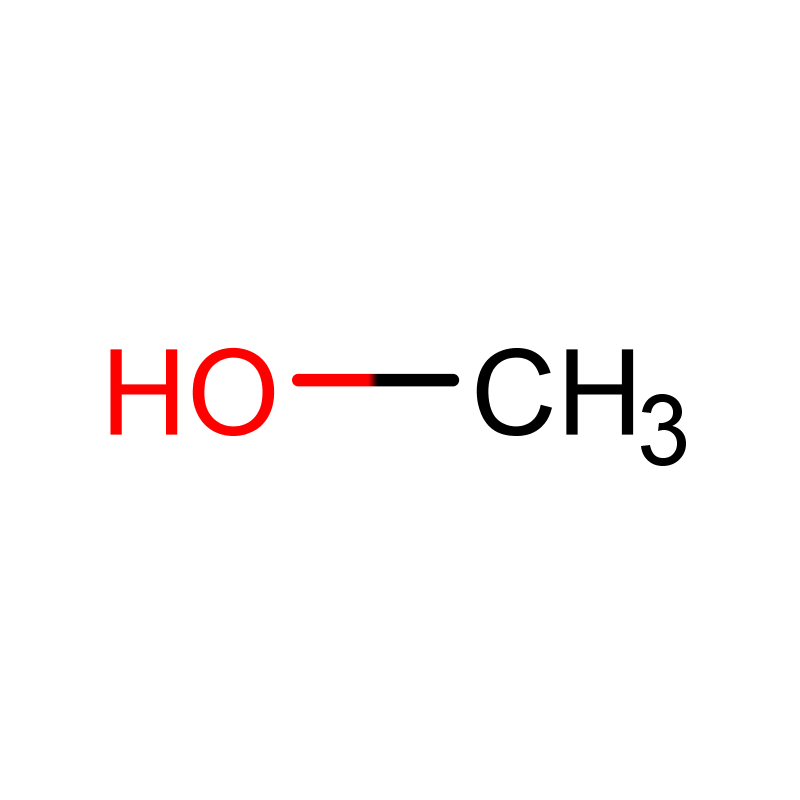
- Methanol CAS#67-56-1


Please give us a message