










Product Center
Explore chemical raw materials for agriculture, manufacturing, personal care, food, and other industries.
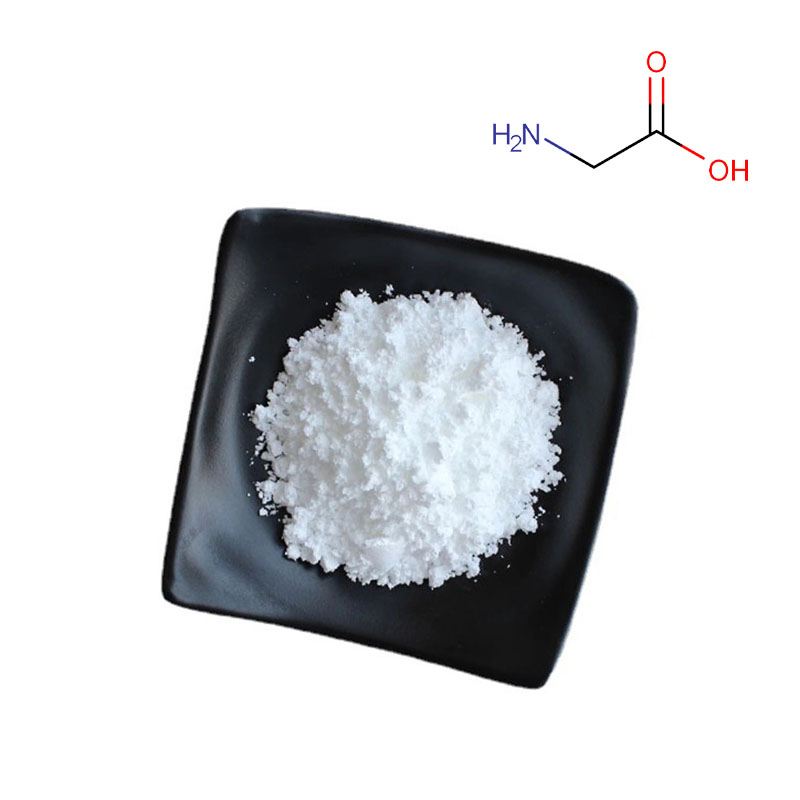
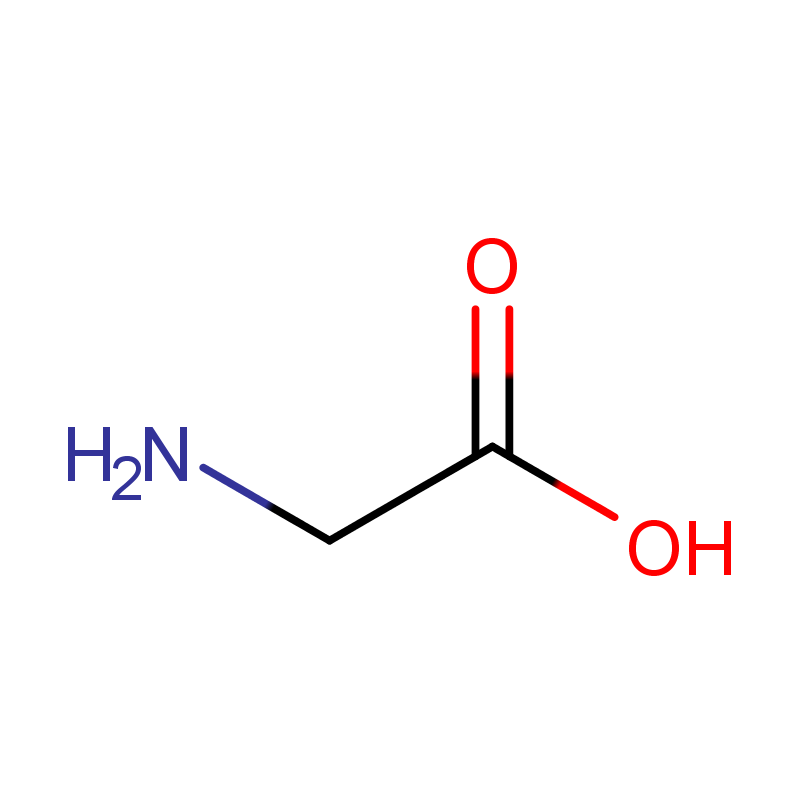
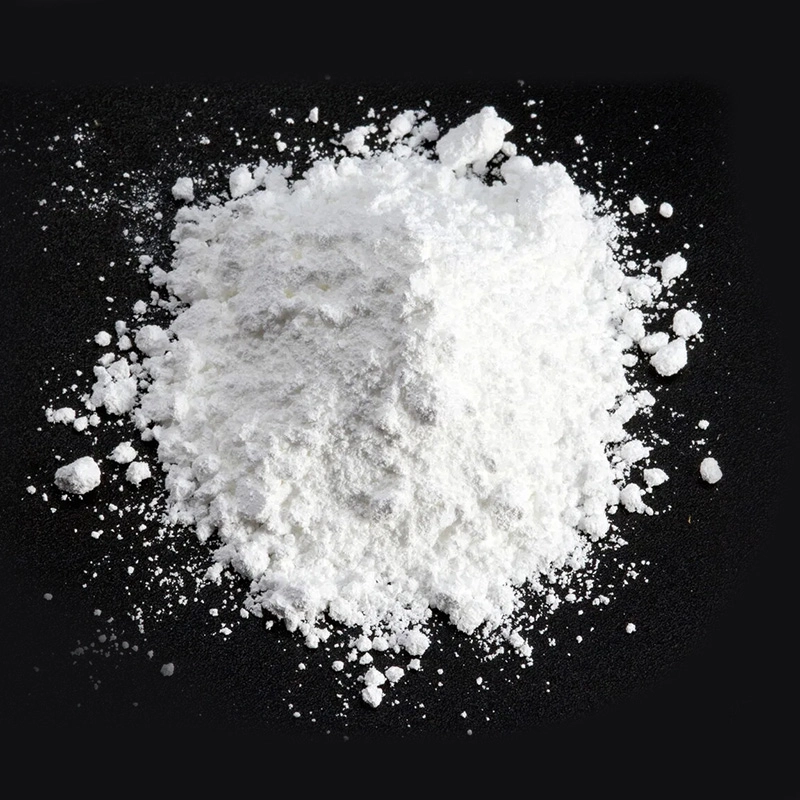
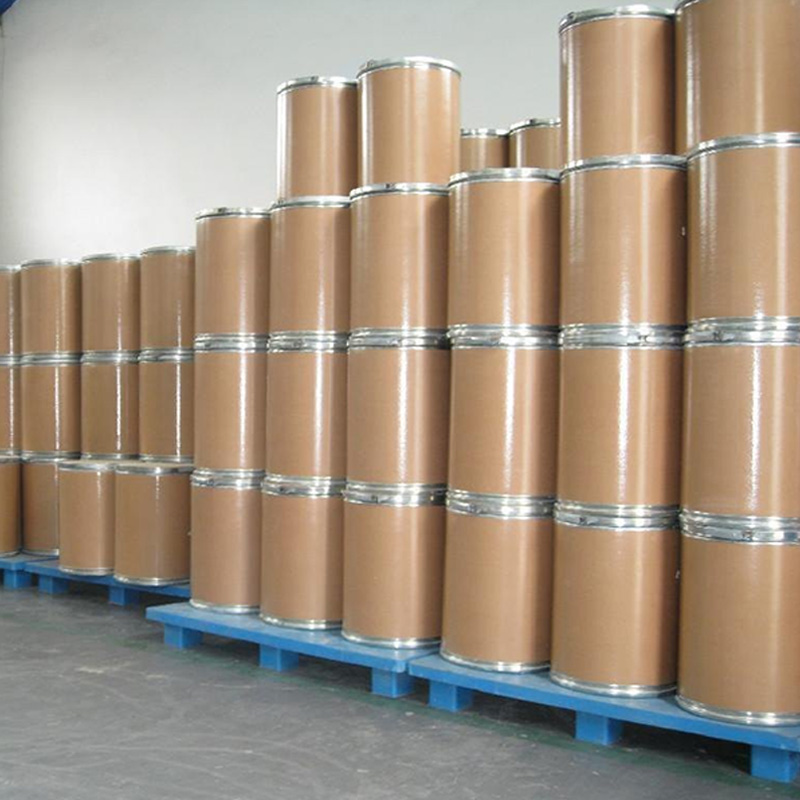
Glycine CAS#56-40-6
Smallest and Simplest Amino Acid Structure: Glycine has the smallest molecular size among all proteinogenic amino acids, allowing it to fit easily into tight spaces within protein structures and contribute to molecular flexibility.
Excellent Compatibility with Diverse Environments: Due to its minimal side chain consisting of only one hydrogen atom, glycine can adapt well to both hydrophilic and hydrophobic environments, enhancing its versatility in biological and industrial applications.
Non-Chiral and Structurally Unique: Unlike most amino acids, glycine is not chiral, giving it distinctive chemical and biological behavior that is valuable in protein synthesis and formulation stability.
High Purity, Mild Taste, and Broad Applicability: As a colorless, sweet-tasting crystalline solid, glycine is suitable for use in food, pharmaceutical, and biochemical applications where purity, safety, and neutral sensory properties are important.
Product Specifications
Products Description of Glycine CAS#56-40-6
Glycine (Gly/G, NH₂CH₂COOH) is the smallest proteinogenic amino acid, encoded by four codons (GGU/GGC/GGA/GGG). A non-chiral, sweet-tasting colorless crystal, it functions in both hydrophilic and hydrophobic environments. Glycine is also the genus name for soybeans (Glycine max).
Product Applications of Glycine CAS#56-40-6
U.S. glycine is mainly sold as USP grade (80–85% market share) and technical grade. A higher-purity pharmaceutical grade exists for intravenous applications, exceeding USP standards and priced at a premium.
Parameters
Safety Information
Product Inspection

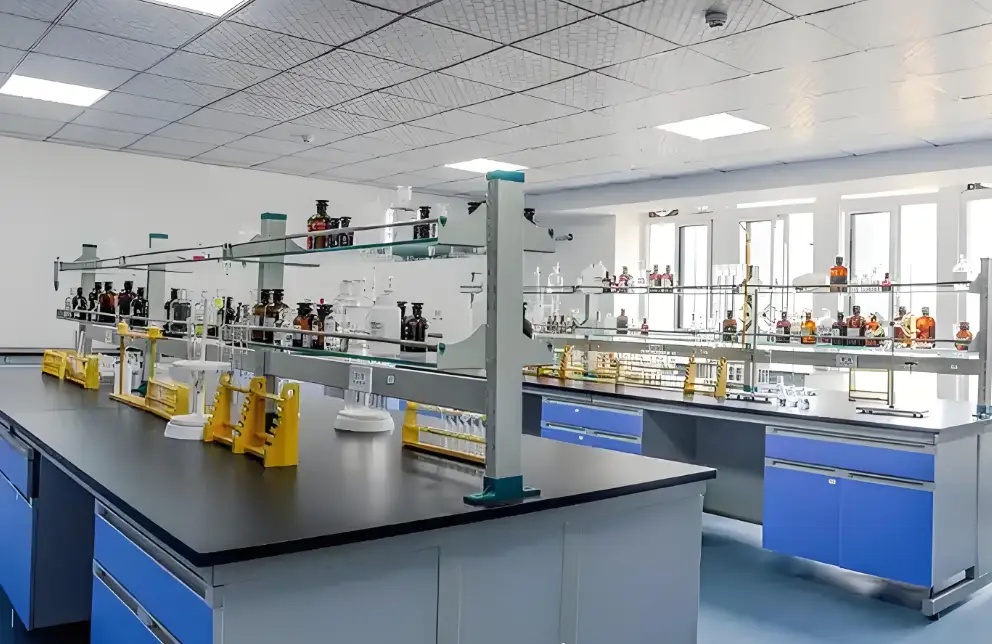




Factory Display

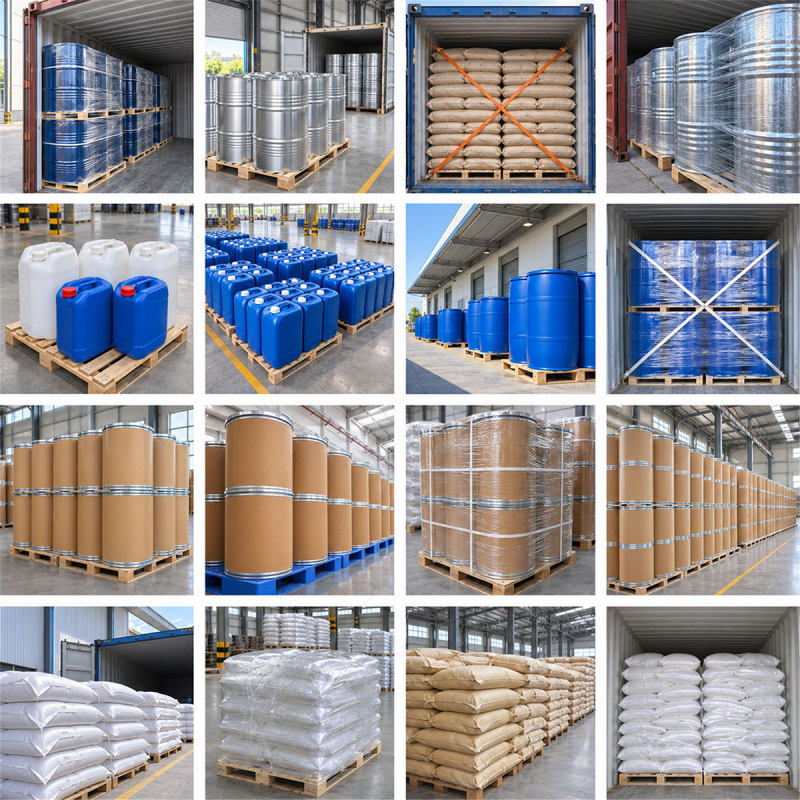
Shipping And Transportation
FAQ
Q1: Can I get samples?
A: Yes. Samples are available for most items. For liquids, hazardous chemicals and certain fertilizers, delivery is subject to courier and shipping regulations. Sample cost and freight can be discussed in advance; relevant sample charges may be deducted from bulk orders as agreed.
Q2: Is mixed container loading allowed?
A: Yes. Within maritime safety and terminal rules, we can combine plastic granules, fertilizers, food additives and cosmetic raw materials in one container to cut your logistics cost. Some hazardous goods cannot be loaded together, and we will inform you in advance.
Q3: Will each shipment come with test certificates?
A: Yes. Every batch is supplied with COA, TDS and SDS. For food-grade, cosmetic-grade and fertilizer products, we can also provide certificate of origin, phytosanitary certificates, compliance declarations and other supporting documents upon request.
Q4: Can you prepare documents for my country’s regulations?
A: We are familiar with mainstream standards including REACH, FDA, FCC, EAC and RoHS. Please advise your destination country and end use before ordering. We will provide proper labels and declarations to facilitate customs clearance. Final import approval is subject to local customs authority.
Service Advantages
Accurate Documentation, Hassle-Free Customs Clearance
Proficient in handling documents such as Certificates of Origin (CO), Form E, Hazardous Packaging Certificates, and MSDS, ensuring smooth customs clearance at the destination port.
Quality First, End-to-End Control
We can arrange sample shipments and third-party inspections (e.g., SGS, BV), while strictly monitoring packaging and production progress.
Closed-Loop After-Sales Support, Long-Term Partnership
We assist in resolving quality issues and handling claims, regularly share market insights, and grow together with our clients.
Rapid Response, Precise Quotations
We respond to inquiries within 24 hours, providing professional quotation options such as FOB, CIF, and CFR.
End-to-End Logistics Tracking, Secure Delivery
From factory to port, and from container loading to vessel departure, we provide real-time monitoring to ensure the safe arrival of your cargo.
Hazardous Cargo Booking: Professional and Efficient
We specialize in the export of Class 3, 5, 8, and 9 hazardous materials, securing cargo space in advance to ensure compliant shipments.


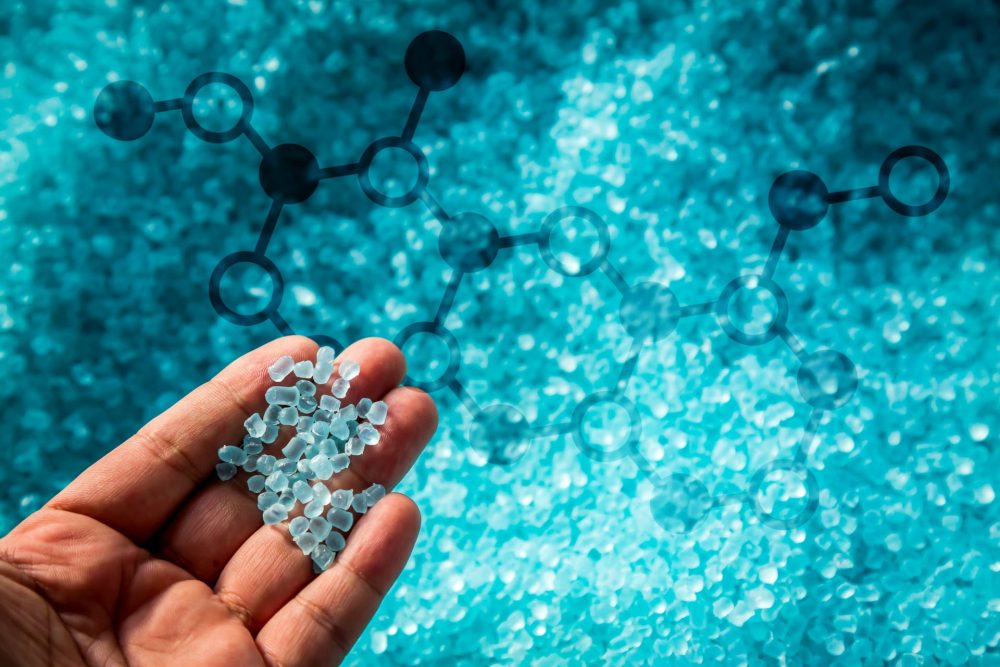



Accurate Documentation, Hassle-Free Customs Clearance
Proficient in handling documents such as Certificates of Origin (CO), Form E, Hazardous Packaging Certificates, and MSDS, ensuring smooth customs clearance at the destination port.
Quality First, End-to-End Control
We can arrange sample shipments and third-party inspections (e.g., SGS, BV), while strictly monitoring packaging and production progress.
Closed-Loop After-Sales Support, Long-Term Partnership
We assist in resolving quality issues and handling claims, regularly share market insights, and grow together with our clients.
Rapid Response, Precise Quotations
We respond to inquiries within 24 hours, providing professional quotation options such as FOB, CIF, and CFR.
End-to-End Logistics Tracking, Secure Delivery
From factory to port, and from container loading to vessel departure, we provide real-time monitoring to ensure the safe arrival of your cargo.
Hazardous Cargo Booking: Professional and Efficient
We specialize in the export of Class 3, 5, 8, and 9 hazardous materials, securing cargo space in advance to ensure compliant shipments.
contact us
Product recommendation
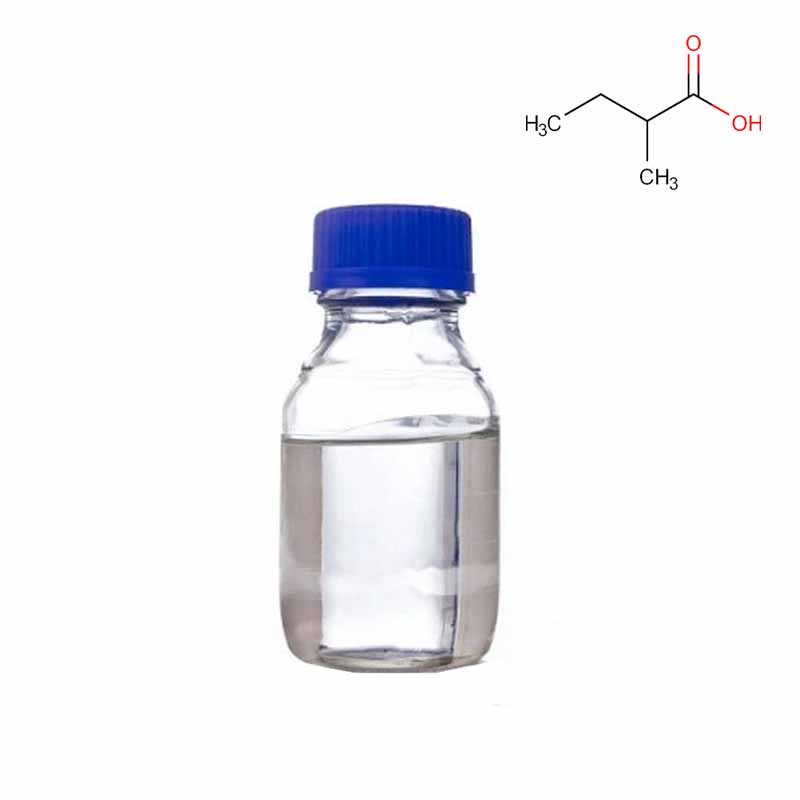
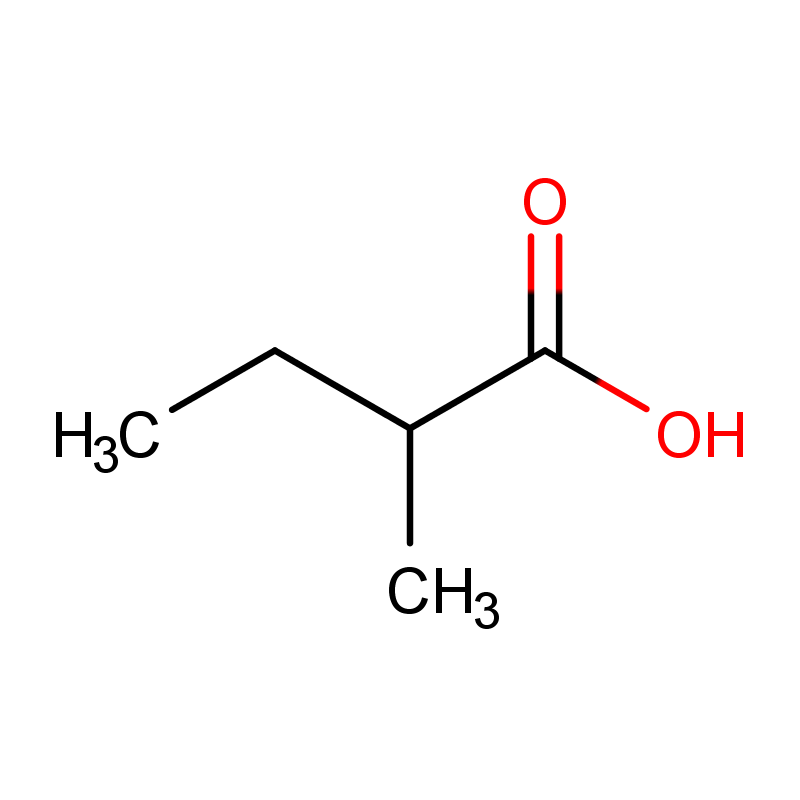
 2-Methyl butyric acid CAS#116-53-0
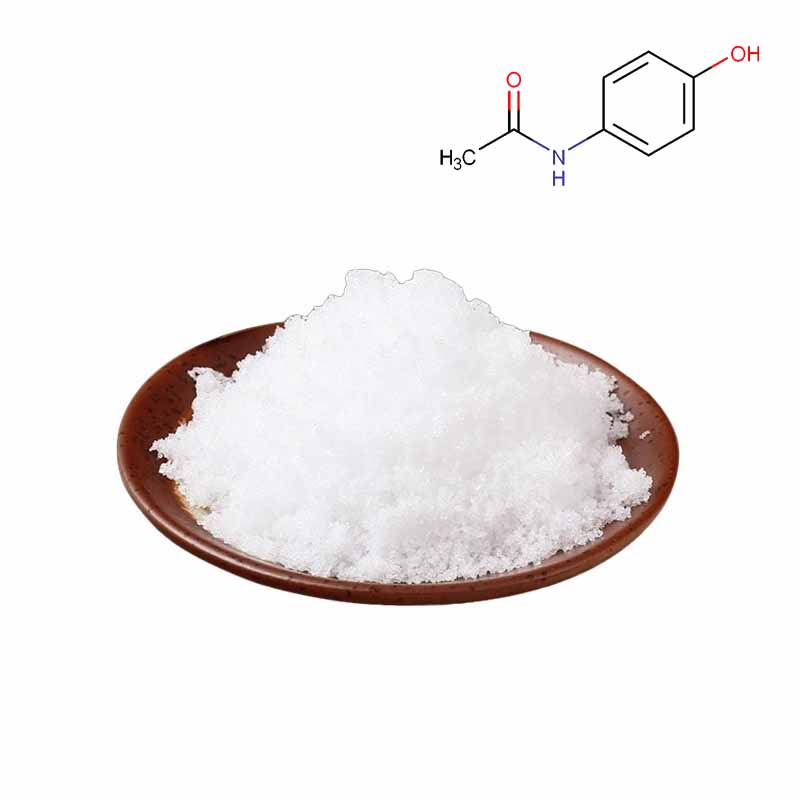
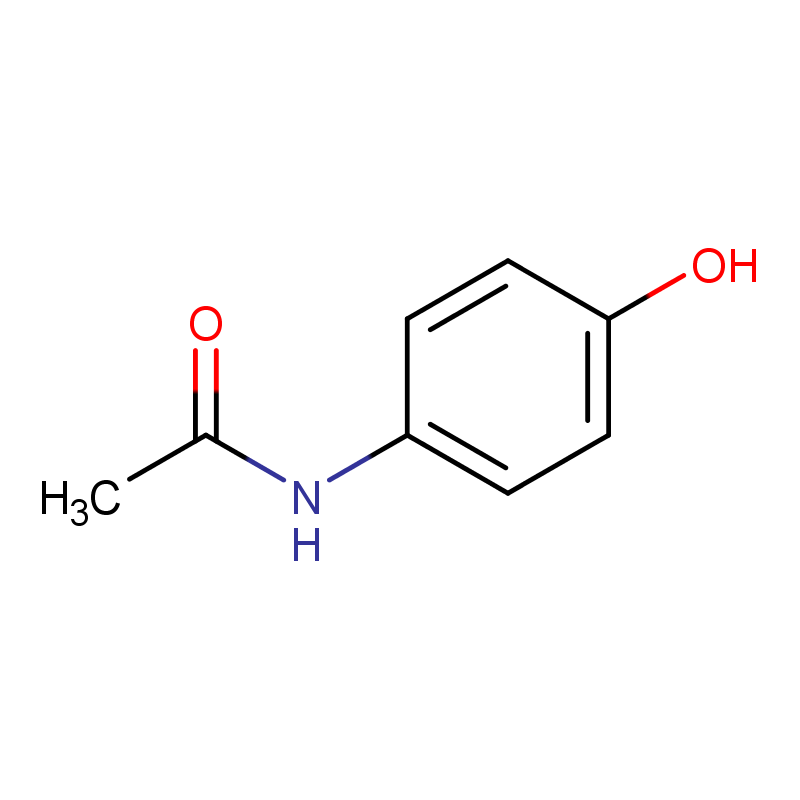
- Acetaminophen CAS#103-90-2
- Acetic acid CAS#64-19-7
- Activated Carbon CAS#64365-11-3
- Adipic acid CAS#124-04-9
- Aluminum chlorohydrate CAS#1327-41-9
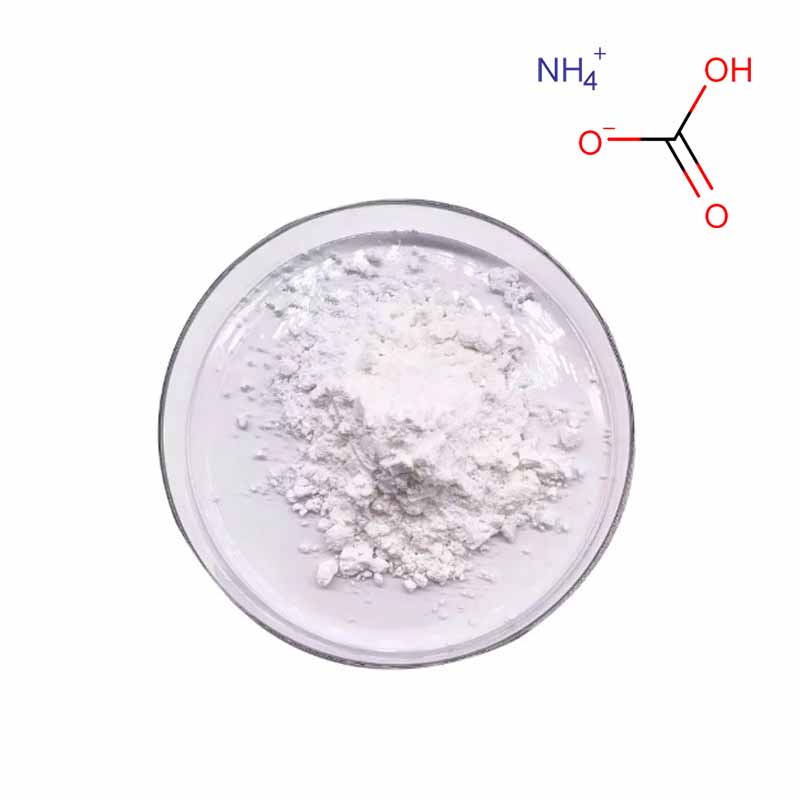
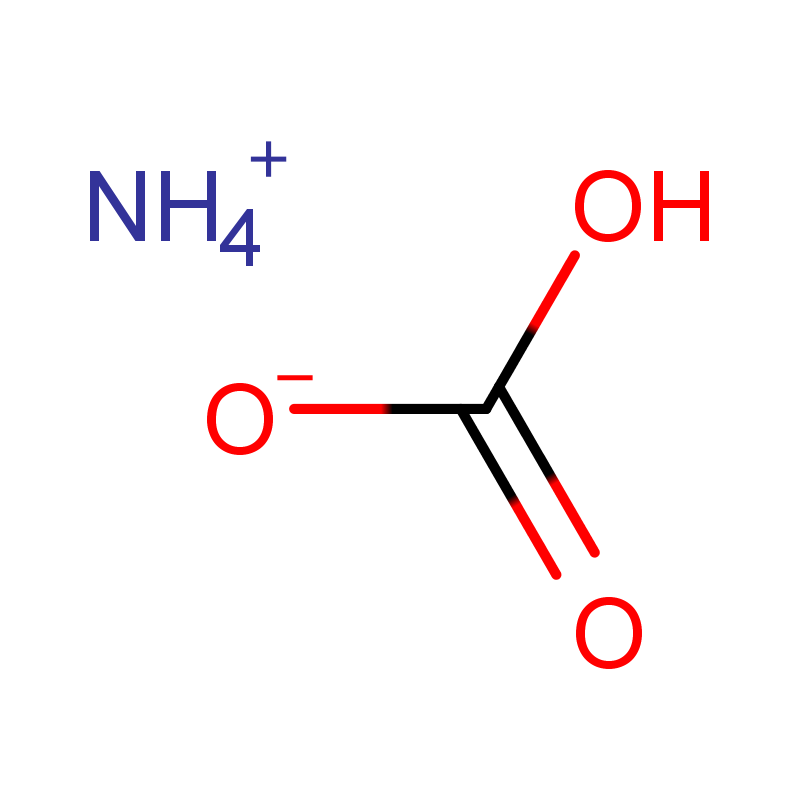
- Ammonium bicarbonate CAS#1066-33-7
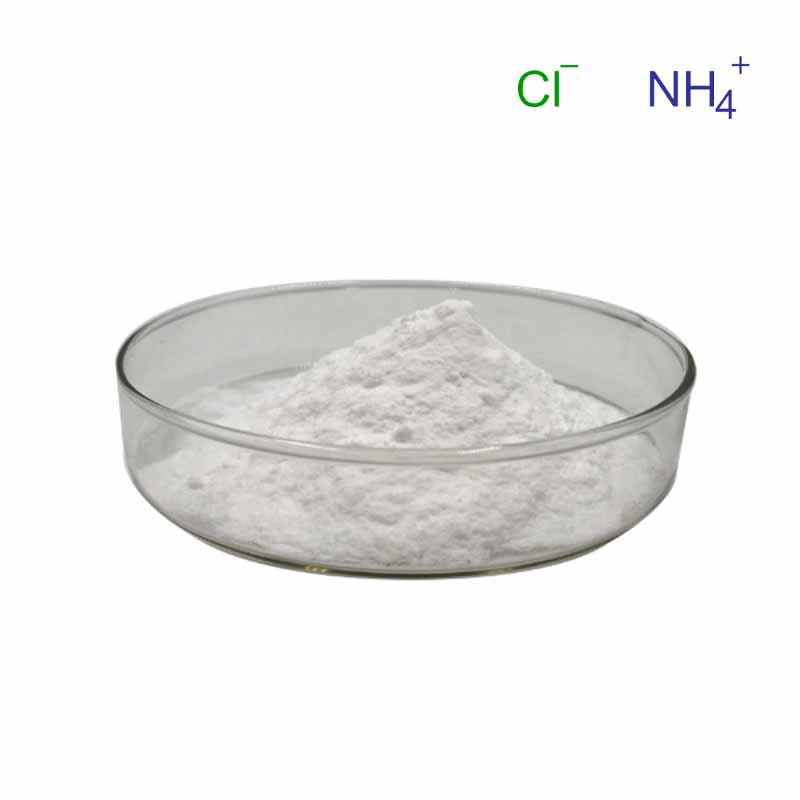
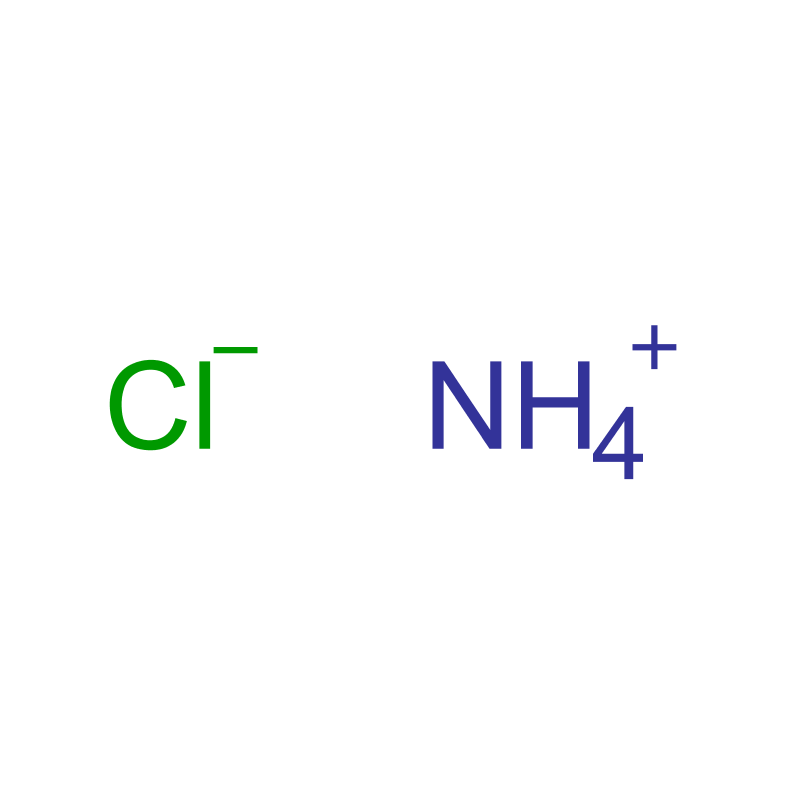
- Ammonium chloride CAS#12125-02-9
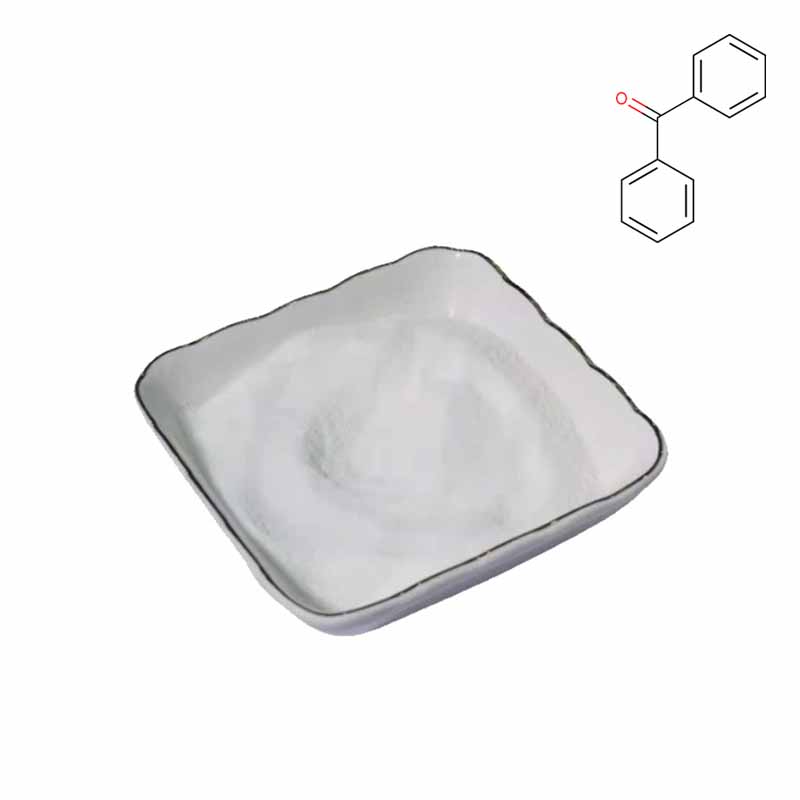
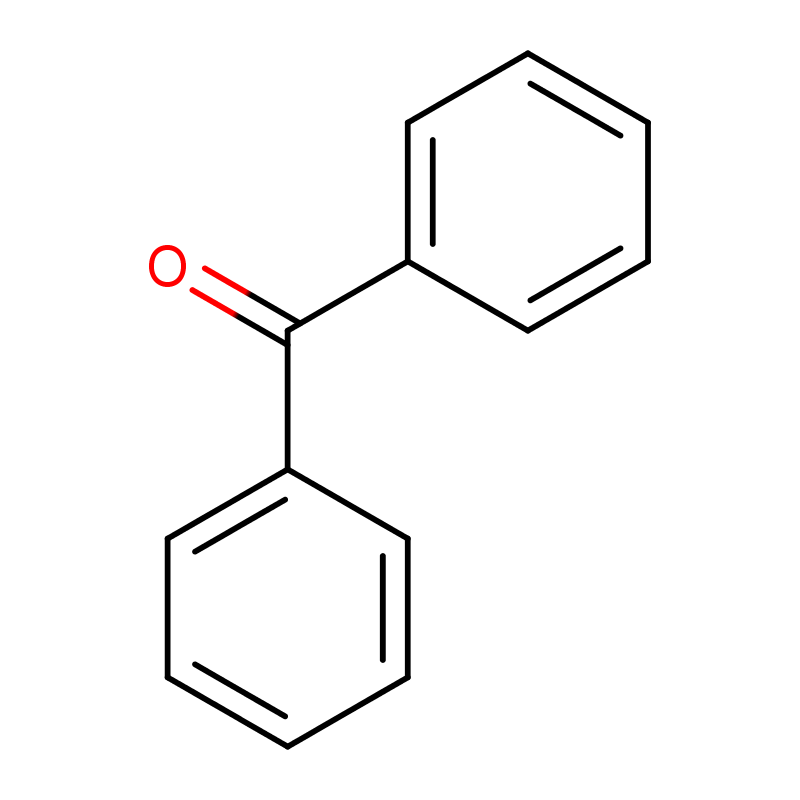
- Benzophenone CAS#119-61-9
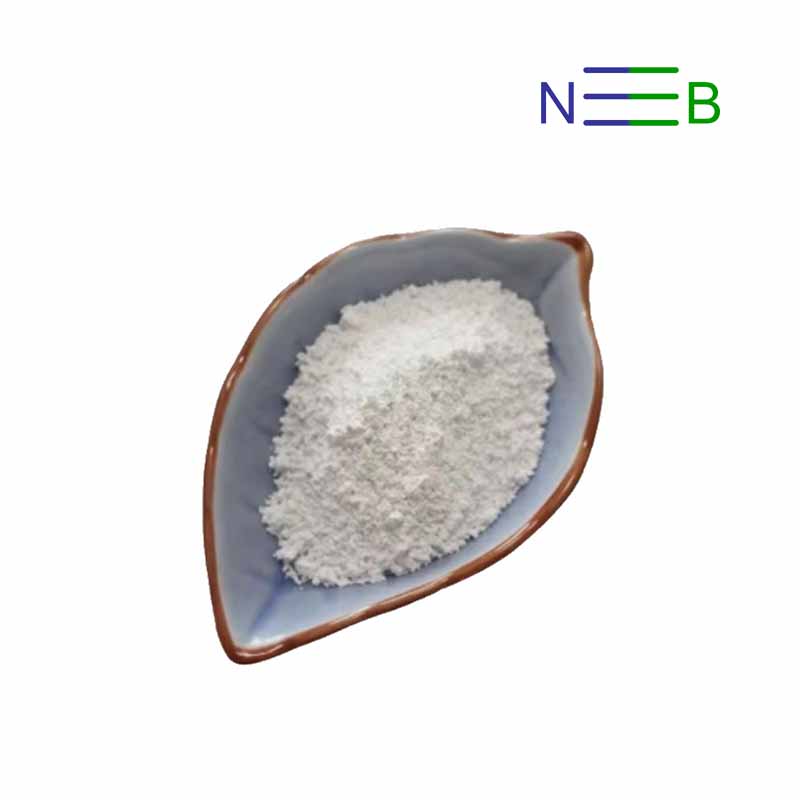
- Boron nitride CAS#10043-11-5
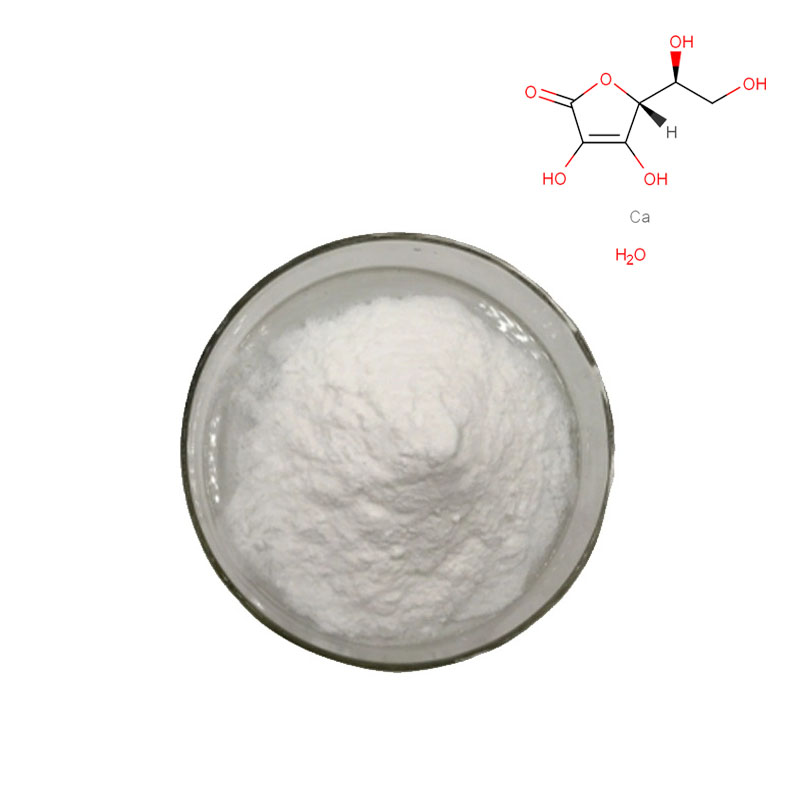
- Calcium ascorbate dihydrate CAS#5743-28-2
- Calcium carbonate CAS#471-34-1


Please give us a message